Medieval Graffiti
Medieval Graffiti: the Lost Voices of England’s Churches
On Friday 6 and Saturday 7 September, author, historian, archaeologist and Fellow of the Society of Antiquaries London - Matthew Champion - England’s leading expert on Medieval Graffiti, joined us for a talk and workshop on the medieval practice of inscribing marks onto church walls and monuments - a practice that continues to this day.
The talk was entitled Medieval Graffiti: the Lost Voices of England’s Churches after Matthew’s well-known book on the subject.
Matthew has directed the first major project to systematically record church graffiti across multiple sites - the Norfolk and Suffolk Medieval Graffiti Survey - - which received funding from the National Lottery Heritage Fund. http://www.medieval-graffiti.co.uk
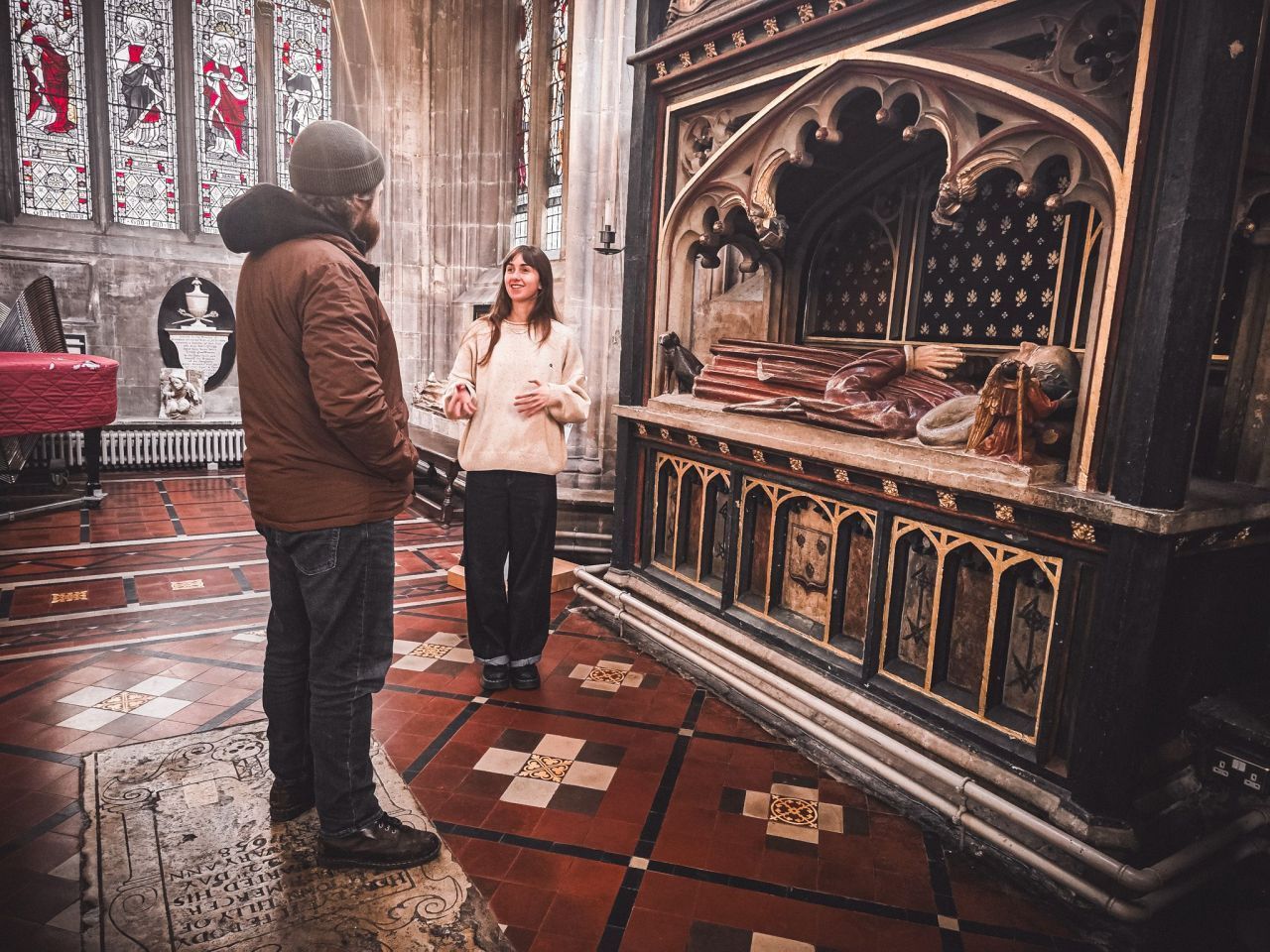
The talk was attended by around 60 people, 20 of whom also joined Matthew for a practical workshop that took place the following day. The workshop instructed attendees in the practical skills needed to find examples of church graffiti, and a provided theoretical grounding in the various types of marks.
Although church graffiti is mentioned in St Mary Redcliffe’s Conservation Plan, and briefly referred to in studies on aspects of the church fabric, the team has only just begun to look in detail at its graffiti as a subject in its own right, after having become aware of Medieval Graffiti Surveys taking place in other areas around the country.
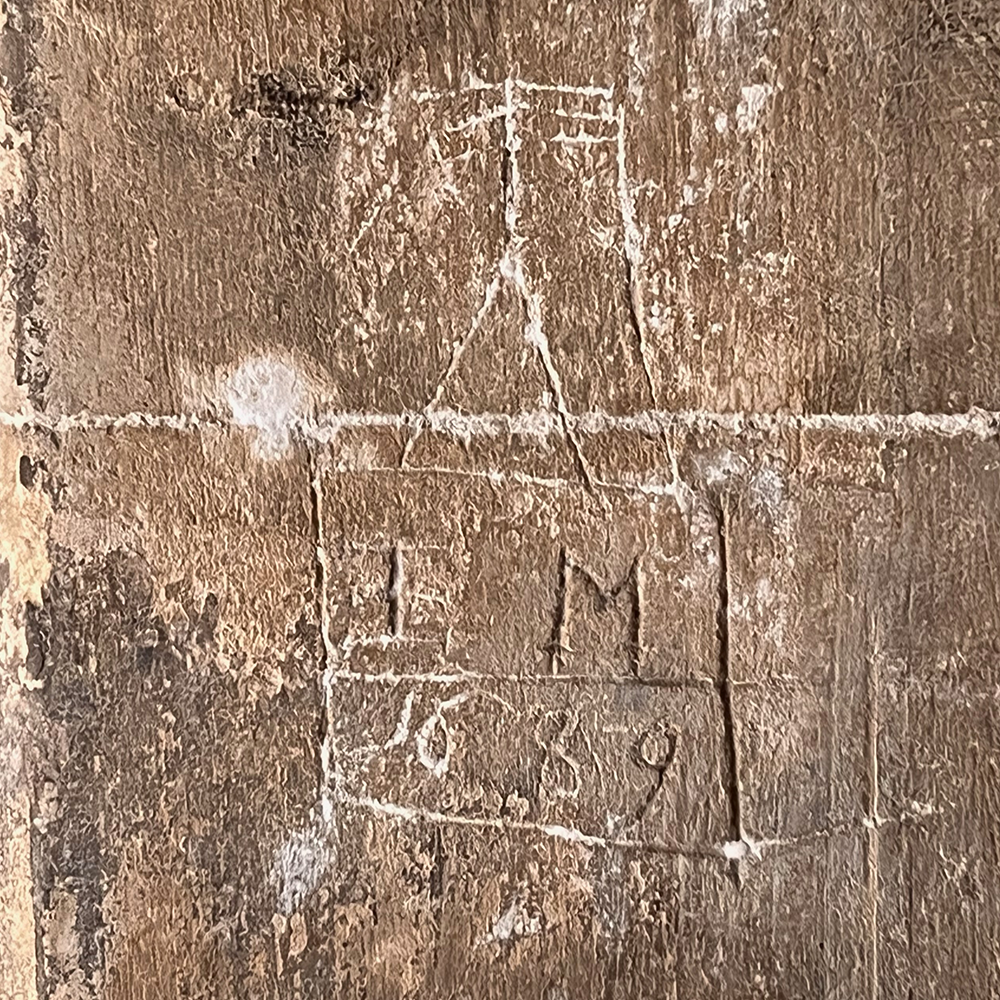
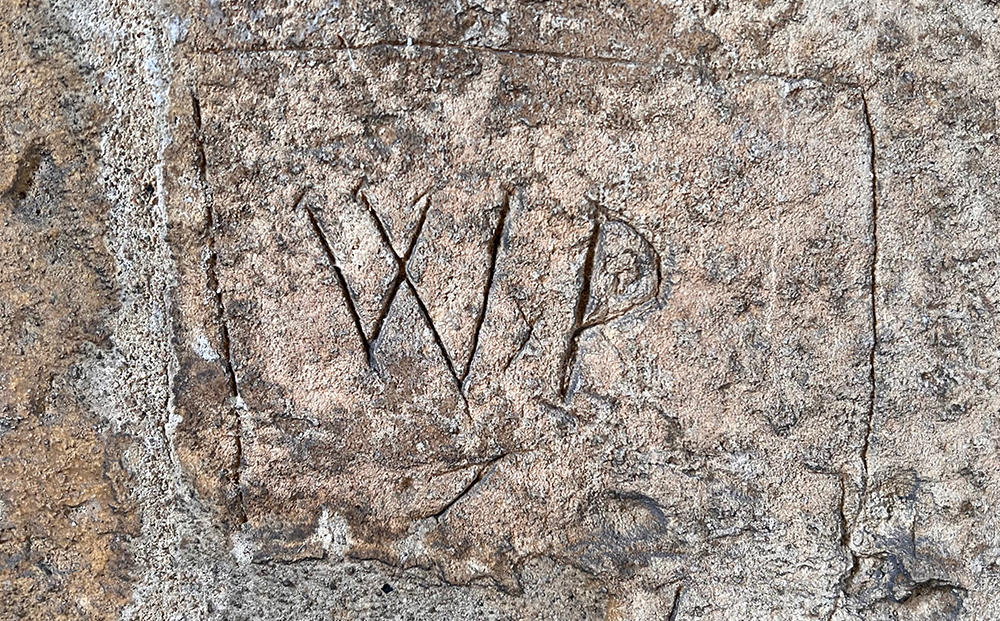
Since the team at St Mary Redcliffe began looking at the church’s fabric and monuments in more detail dozens of examples of graffiti have been found, including compass-drawn and trinitarian symbols, images of churches, mason’s marks, ships, fish, architectural diagrams, ragged staff imagery, scratch-dials and apotropaic marks.
St Mary Redcliffe will now launch its own Medieval Graffiti Survey to record in detail the types and locations of marks. The project will provide insights into how the church was used in the past, allow us to better understand the significance of the church building for parishioners through the ages, and inform wider research into this fascinating subject.
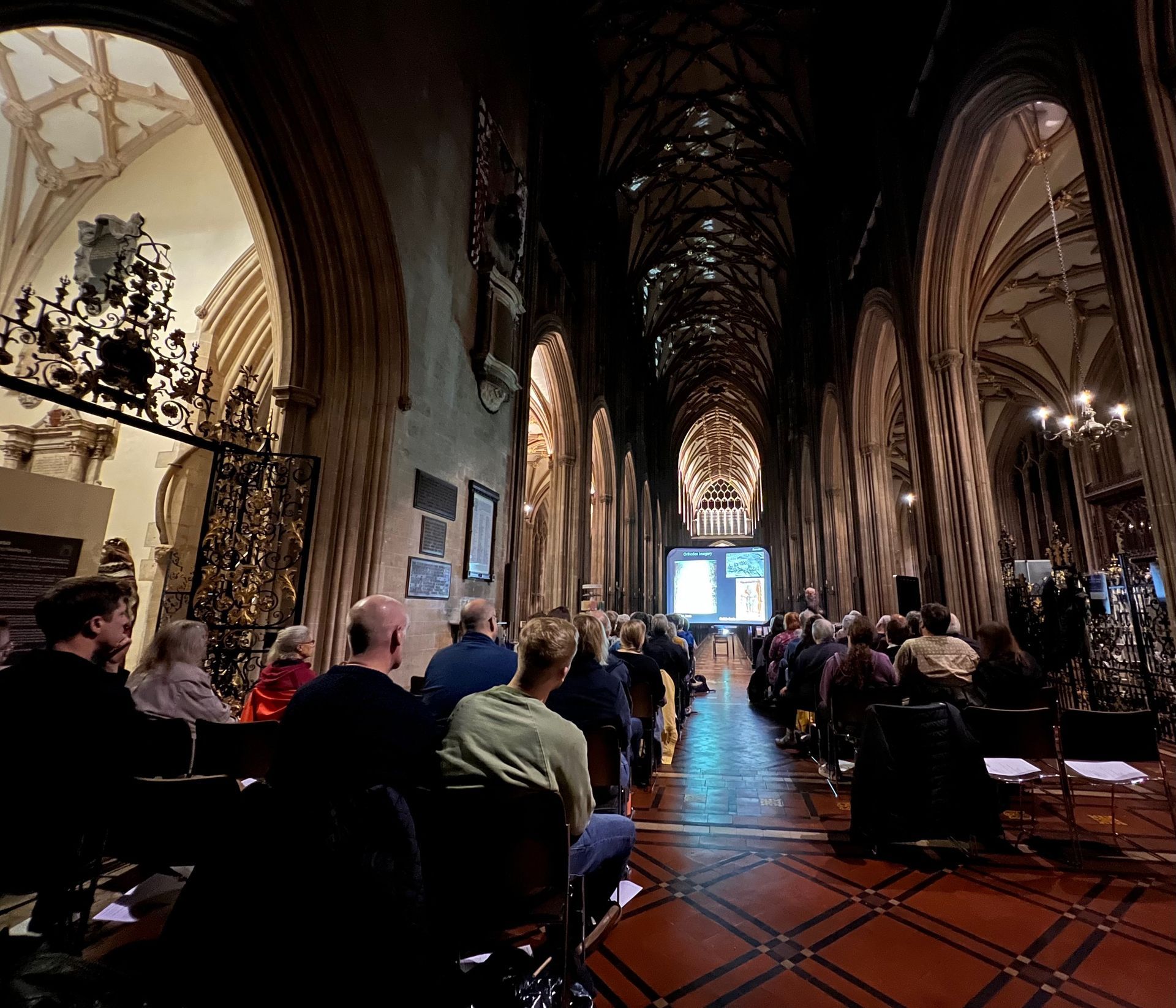
The talk was attended by around 60 people, 20 of whom also joined Matthew for a practical workshop that took place the following day. The workshop instructed attendees in the practical skills needed to find examples of church graffiti, and a provided theoretical grounding in the various types of marks.
Although church graffiti is mentioned in St Mary Redcliffe’s Conservation Plan, and briefly referred to in studies on aspects of the church fabric, the team has only just begun to look in detail at its graffiti as a subject in its own right, after having become aware of Medieval Graffiti Surveys taking place in other areas around the country.

Since the team at St Mary Redcliffe began looking at the church’s fabric and monuments in more detail dozens of examples of graffiti have been found, including compass-drawn and trinitarian symbols, images of churches, mason’s marks, ships, fish, architectural diagrams, ragged staff imagery, scratch-dials and apotropaic marks.
St Mary Redcliffe will now launch its own Medieval Graffiti Survey to record in detail the types and locations of marks. The project will provide insights into how the church was used in the past, allow us to better understand the significance of the church building for parishioners through the ages, and inform wider research into this fascinating subject.